
A Guide to Riparian Rights for Homeowners
What Riparian Rights Actually Cover
If you own land that touches a river, stream, canal or lake, you are probably a riparian owner. The word comes from the Latin ripa, meaning bank, and riparian rights are the legal entitlements that come with that frontage. They are not a single permission but a bundle: access to the water, fishing in some cases, taking water for domestic use, and protecting your bank from erosion. Crucially, these rights attach to the land, not to the person. If you sell the property, they pass to the buyer unless you have expressly separated them — for example, by selling the fishing rights to a club decades ago.
Riparian rights exist in both tidal and non-tidal waters, but they differ. On a non-tidal river, the legal presumption is that you own the bed to the centre of the stream, unless old deeds say otherwise. On tidal waters, the foreshore is usually owned by the Crown or a port authority, and your boundary sits at the mean high water mark. That distinction matters for everything from moorings to maintenance.
Your Main Rights as a Bank Owner
As a riparian owner, you have several practical rights that you can exercise without asking anyone first — though most works need consent. The main ones are:
- Access and navigation: You can access the water from your land, but you do not own the water itself. Others may have a public right of navigation, so you cannot block a channel or charge for passage.
- Domestic water: You may take water for household use — drinking, washing, garden watering — without a licence, provided it is not part of a large-scale abstraction scheme.
- Fishing: In non-tidal waters, you usually own the fishing rights to the middle of the river. You can fish with a rod and line (subject to a rod licence) or lease the rights to others.
- Erosion defence: You can build or repair defences to stop your bank being washed away, but you must get consent for most works from the Environment Agency or your local authority.
Responsibilities You Cannot Ignore
Rights come with duties, and ignoring them can lead to enforcement action or costly disputes. You must not obstruct the flow of water, pollute it, or interfere with the rights of other riparian owners. You also have a responsibility to maintain your bank and any structures on it, such as walls, culverts and outfalls. If your bank is part of a formal flood defence, the Environment Agency or a local drainage board may have statutory powers to enter and carry out works, and you may be asked to contribute to the cost.
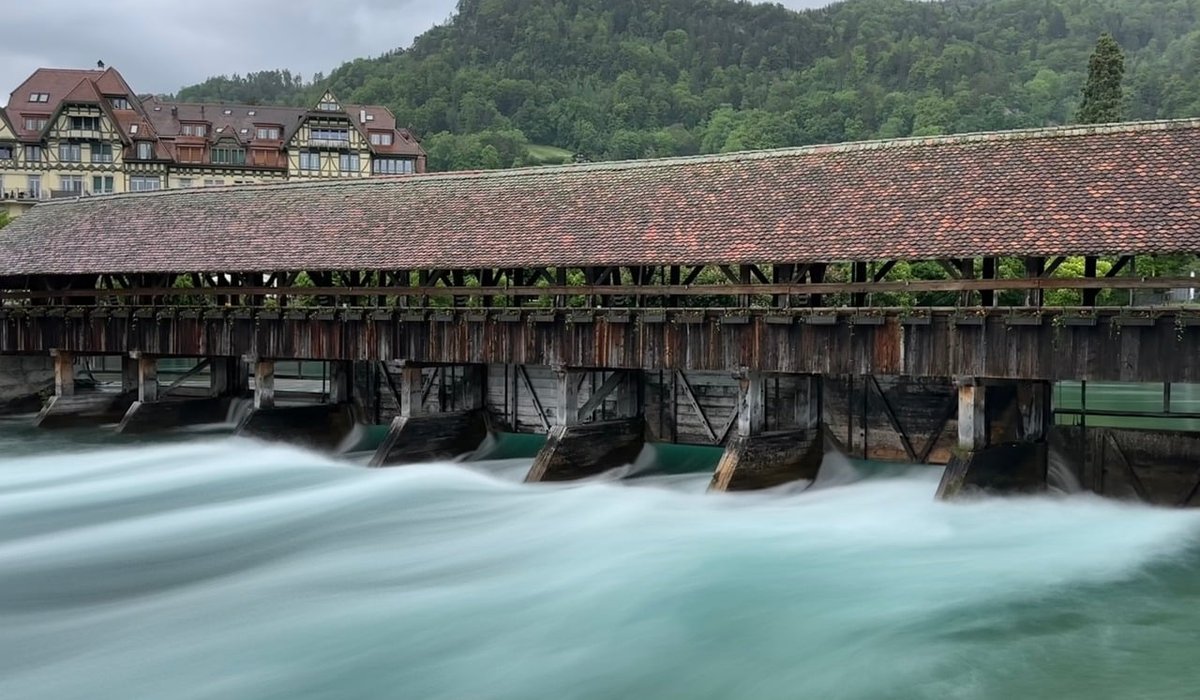
Another common duty is to allow access. If a navigation authority needs to inspect or repair a lock, weir or bridge, you may need to grant reasonable access across your land. Refusing without good reason can lead to legal action. And if you abstract water for anything beyond domestic use — irrigation, for example — you will normally need an abstraction licence. The same applies to discharging anything into the water, even if it seems harmless.
Fishing Rights: What You Can and Cannot Do
Fishing is the area that trips up most people. As a riparian owner on a non-tidal river, you can fish with a rod and line from your own bank. You cannot sell coarse fish or use certain nets without permission. Migratory fish like salmon and sea trout are usually owned by the Crown or a specific fishery, so check before you cast. In tidal waters, the public generally has the right to fish, though there may be local restrictions.
If you want to create a commercial fishery or run matches, you will need to check whether you hold the rights or whether they have been leased away. And remember: most anglers aged 13 or over need a rod licence from the Environment Agency to fish for freshwater fish in England and Wales. Scotland has its own rules. You can stop people fishing from your bank if you own the fishing rights, but you cannot stop them navigating past or fishing from a boat if they have a public right to do so.
Boundaries, Accretion and Shared Frontages
Riparian boundaries are not fixed in stone. If the river naturally changes course over time through accretion or erosion, the boundary can shift. That means you might gain land — or lose it. But if the change is sudden, such as a flood cutting a new channel, the boundary usually stays where it was. This is why a plan from a surveyor is worth its weight when a dispute arises with a neighbour over a jetty, a mooring or a patch of gravel.
Shared frontages bring shared decisions. If you and a neighbour both own banks, you may need to agree who maintains a weir or a fence that crosses the water. You cannot unilaterally build a pontoon that blocks their access or sits on their half of the riverbed. On canals, the Canal & River Trust often owns the bed, so your rights are more limited — usually a right of access to the water for navigation, but not the soil beneath it. Always check the title plan before assuming you own the riverbed.
When to Seek Professional Advice
DIY is fine for cutting back overhanging branches or clearing a small silt patch. But there are times when a solicitor or a chartered surveyor will save you thousands. Consider getting advice if you are:
- Buying a waterside property: check the deeds for what is included — fishing rights, mooring rights, and the extent of the riverbed. A surveyor can map the boundary accurately.
- In a dispute with a neighbour: over moorings, boundaries, or who pays for repairs to a shared structure.
- Facing flood defence or Environment Agency notices: if you receive a notice or want to carry out works on your bank.
- Creating a new mooring or selling fishing rights: these are legal transactions that need proper drafting to avoid future problems.
Riparian rights are a wonderful part of waterside living, but they are not a free-for-all. A little legal homework now will keep your enjoyment of the water safe for years to come.

4 Comments