
The House Always Wins? A Realist's Guide to iGaming
Everyone knows the phrase. The house always wins. It's the first thing a seasoned punter tells a rookie, and the last thing a bitter loser mutters before closing the laptop. But if the house truly always won, nobody would ever play. The truth is far more interesting: the house doesn't always win in any single session, but it wins over time because of something baked into every game you play. Understanding that "something" is the difference between a fun night out and a slow bleed. Here's a proper look at how the iGaming world actually works — from slot RTPs to poker tables where you're not playing the house at all.
The Only Number That Really Matters: House Edge
Every casino game, digital or brick-and-mortar, is built around a mathematical advantage for the operator. That advantage is called the house edge, and it's expressed as a percentage.
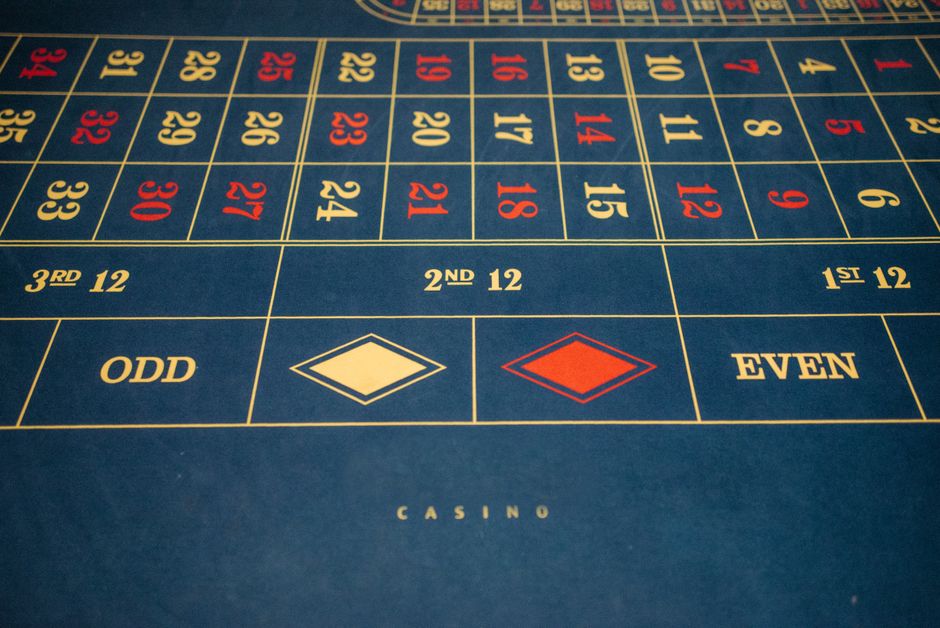
Let's make it concrete. European roulette has a single zero and 37 pockets. If you bet on red, you win 18 out of 37 times. But the payout is even money — 1:1. So your expected return is 18/37, or roughly 97.3%. The house edge is 2.7%. American roulette adds a double zero, bumping the edge to 5.26%. Same game, same feel, nearly double the bleed. That's why sharp players seek out single-zero tables.
Blackjack with perfect basic strategy can push the house edge below 0.5%. Baccarat, specifically the banker bet, sits around 1.06%. Slots are all over the place — from a generous 2% up to a punishing 10% or more, depending on the machine and jurisdiction.
Here's the thing casual players miss: the house edge doesn't care whether you won or lost last spin. It applies to every single wager, compounding quietly in the background. You can beat it in a session. You can beat it for a weekend. But over thousands of hands or spins, the math grinds you down. That's not bad luck. That's design.
Slots: Where RTP Meets Volatility
Slots are the engine room of iGaming — roughly 70% of casino revenue in most regulated markets. And most players evaluate them badly, focusing only on RTP (return to player).
RTP is the long-run percentage of all wagered money paid back to players. A 96% RTP slot returns 96 cents for every dollar wagered over millions of spins. But the remaining 4% is the house edge, and it never sleeps.
RTP alone tells you almost nothing about what a session feels like. That's where volatility comes in.
- Low volatility: frequent small wins. Think a fruit machine paying 2x your bet every few spins. Great for stretching a bankroll, boring for thrill-seekers.
- Medium volatility: the balanced middle ground. Sessions feel steady, with occasional decent hits.
- High volatility: long dry spells punctuated by massive payouts. A 96% RTP slot with extreme volatility can eat 300 spins before it pays anything back. This is where most bankrolls die.
Practical tip: match volatility to your budget, not your ambition. If you're playing with $50, a brutal high-volatility Megaways slot with 50,000x max win potential is a lottery ticket. A medium-volatility slot at 96.5% RTP gives you actual playtime.
Poker: The One Game Where You Can Actually Win
Here's the dirty secret the casino industry doesn't advertise: poker is not played against the house. It's played against other players. The casino just takes a rake — typically 5% of each pot, capped at a few dollars.
That means poker is a skill game with a negative-sum table. The rake is the tax on every hand. But since your edge comes from exploiting weaker opponents, a good player can absolutely profit over time. It happens every day at every stake level.
What separates winning poker players from losing ones?
- Position awareness. Acting last gives you more information. It's boring advice, but it's worth more than any bluffing trick.
- Bankroll management. Never sit at a table with more than 5% of your total poker bankroll. If you have $1,000, play $50 buy-ins. This keeps variance from wiping you out.
- Game selection. The single biggest leak for amateur players. Sitting at a table full of professionals is not a badge of honor. It's a donation.
- Range thinking. Stop putting opponents on one specific hand. Put them on a range and update it with every action.
The variance in poker is brutal. A winning player can lose for 50,000 hands. That doesn't mean the strategy is wrong. It means you need mental stamina and a bankroll big enough to survive the downswings.
Betting: Margins, Value, and Why Most Punters Lose
Sports betting operators don't guess. They price markets with a built-in margin, usually between 2% and 12%, depending on the sport and league. That margin is the betting equivalent of the house edge. สล็อตเว็บตรง is a solid starting point for anyone new to this.
A fair coin flip offers 2.00 odds. A bookmaker might offer 1.95 on both sides. That 0.05 gap is the margin, and it guarantees profit for the operator regardless of the result — as long as the money is balanced.
To win long-term at betting, you need to find value: situations where the true probability of an outcome is higher than the implied probability in the odds. That's genuinely hard. It requires research, discipline, and the emotional control to bet against your favorite team or skip a game entirely.
A few hard truths from the data:
- Recreational bettors lose an average of 3-5% of everything they wager over time.
- Accumulators (parlays) multiply the house margin with every leg added. A four-leg parlay can carry a 20%+ effective margin.
- In-play betting feels skillful because you're reacting to live events, but it typically carries higher margins than pre-match markets.
- Promotions, free bets, and odds boosts can genuinely create value — but only if you read the terms and don't chase losses with them.
Bankroll Management Is the Real Skill
Ask anyone who has survived years in iGaming what their secret is, and it won't be a system or a hot streak. It'll be bankroll management.
The principle is simple: never gamble with money you need for anything else. Rent, groceries, savings, debt repayment — off limits. Your gambling bankroll is money you can lose entirely without changing your life.
Then set limits. Daily limits, weekly limits, session limits. Every regulated operator offers these tools, and the smartest players use them proactively. Not because they're weak, but because they know a tired, tilted brain makes bad decisions at 2am after a losing streak.
A practical framework for slots: divide your bankroll into at least 200 bets for low-volatility play, 300+ for medium, and never less than 500 for high volatility. For poker, 20 buy-ins minimum for cash games. For sports betting, 1-2% of your bankroll per wager is standard for value bettors.
The Long Game
The iGaming world is a spectacular piece of entertainment engineering. The graphics are better than ever, live dealer studios beam real croupiers into your living room, and the variety is genuinely staggering. There is nothing wrong with enjoying it.
But enjoy it with your eyes open. Know that slots are designed to take a small cut over time. Know that poker rewards study and discipline, not gut feeling. Know that betting margins quietly eat most punters alive. And know that the single most powerful tool you have isn't a strategy or system — it's the discipline to stop when the session is over, win or lose.
The house doesn't always win in the short run. But the players who treat this as a long game — with rules, limits, and a cool head — are the ones who actually walk away with something worth having.

4 Comments